Distracted Driving: South Dakota’s Biggest Problem

Distracted Driving: South Dakota’s Biggest Problem
November 13, 2025 // 8

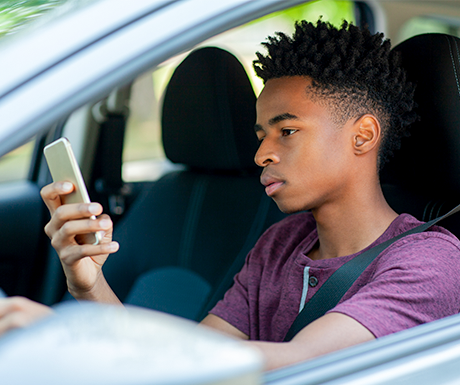
We all know we shouldn’t text and drive. But let’s be real: most of us still do. It’s one of those habits that’s so easy to justify in the moment:

“It’s just a quick text.”
“I only do it at stoplights — nothing’s happening anyway.”
“I’m great at multitasking. I can keep the road in my peripherals.”

The truth? Those small moments are a major reason for car crashes across our state — in 2024, 724 were caused by distracted driving.

South Dakota Hands-free law

Since 2020, South Dakota has been a hands-free state. That means it’s illegal to hold your phone to talk, text or do anything else while you’re behind the wheel. And there’s a good reason for the law: We surveyed South Dakotans, and 73% of them said texting and driving was the most dangerous part of driving in our state.

The hands-free law may focus on phones, but distracted driving covers a lot more. If you’re on the road, you probably shouldn’t be…
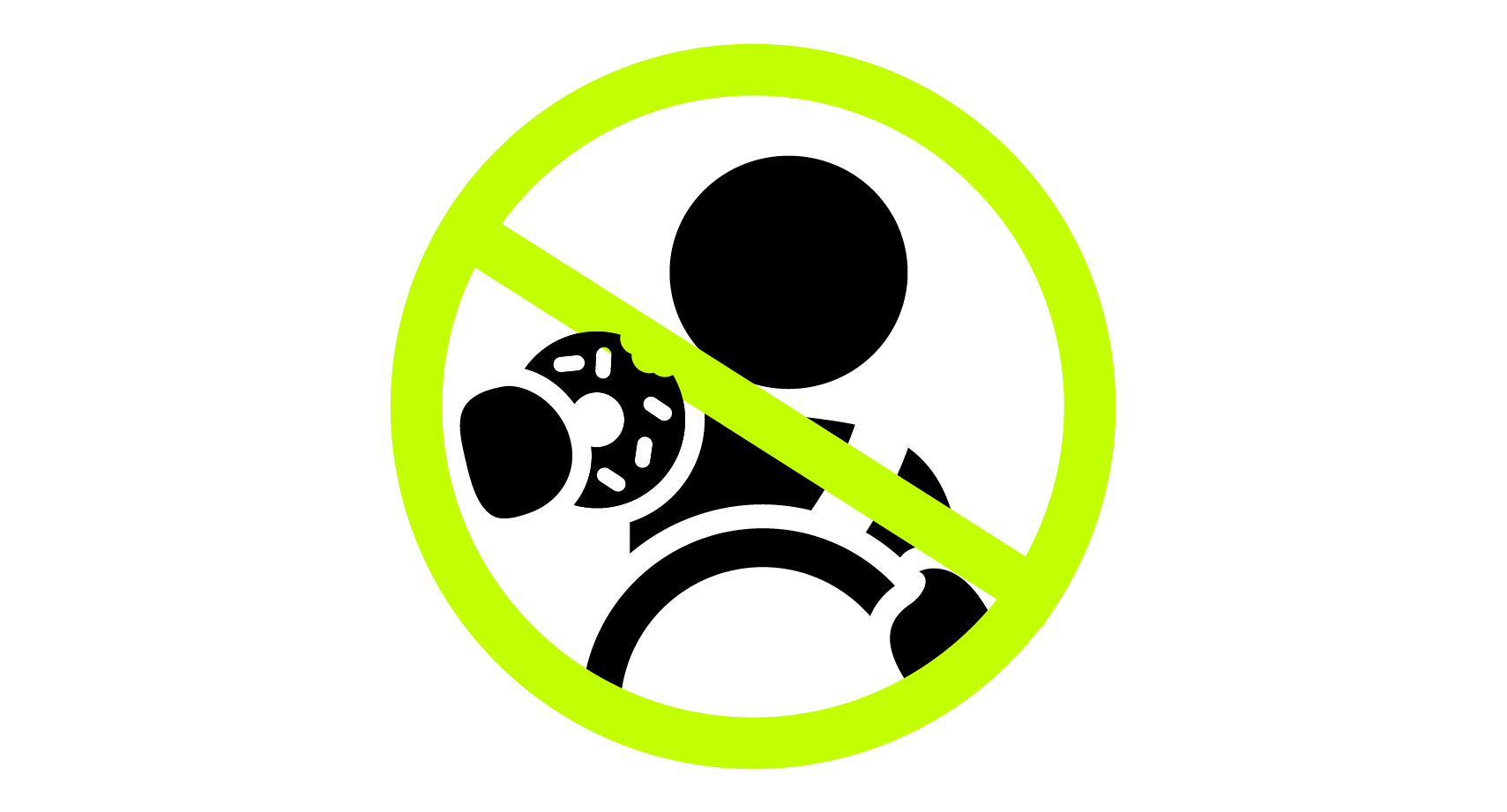
eating — especially with both hands
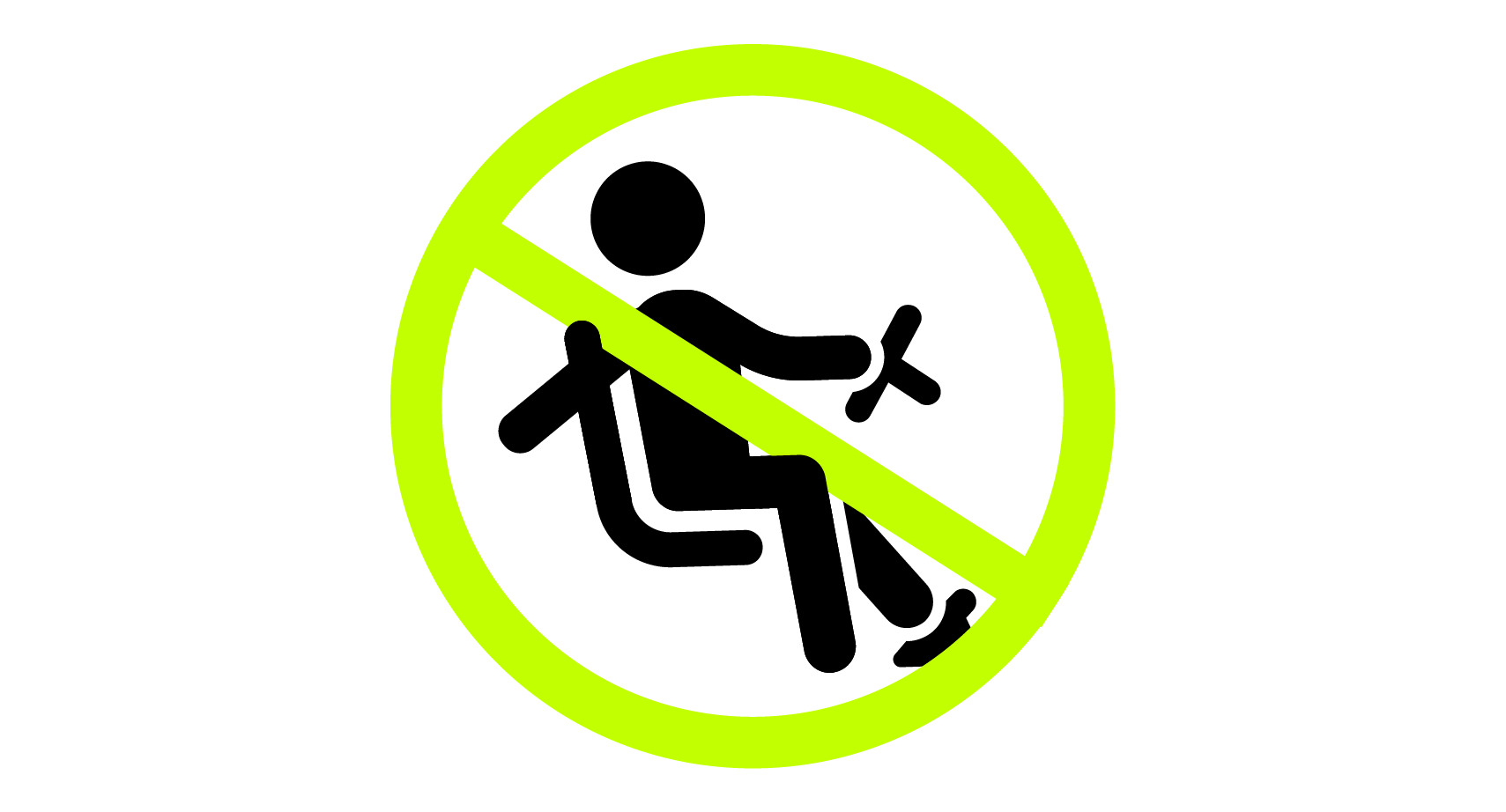
Reaching for something in the back seat or between seats
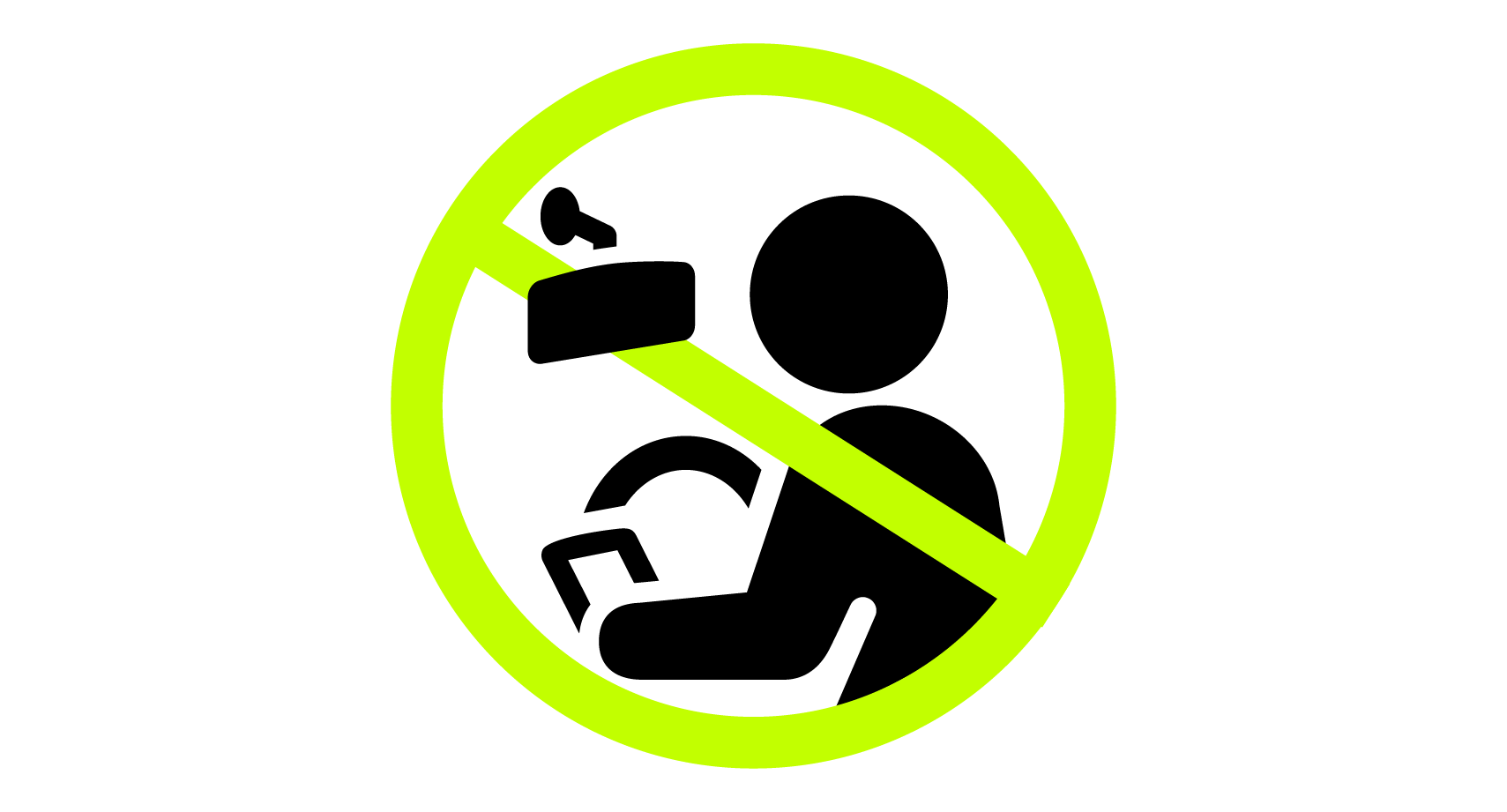
using maps or gps while moving
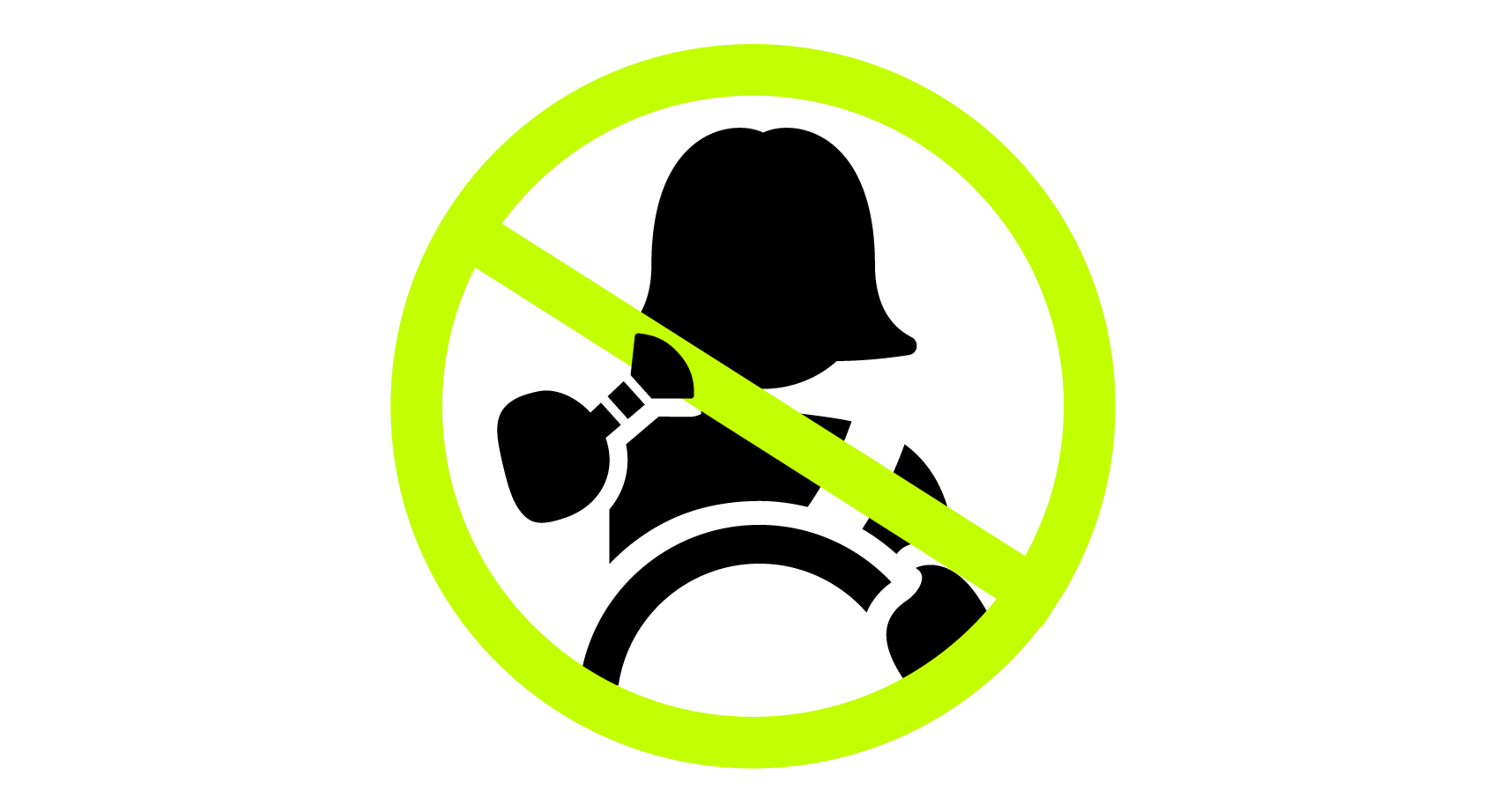
putting on makeup
How to drive distraction free

Staying focused is just as simple as you’d probably think. It just takes a little bit of planning and an intentional effort to beat our own bad habits. If our phone buzzes, we reach for it — at this point, it’s second nature. Here’s a few ways to avoid that instinct.

The Bottom Line

We all know better. But knowing and doing aren’t the same thing. Keeping South Dakota’s roads safe starts with you —
so keep the phone down and your eyes up.
Stop a DUI Before it Happens: Six Rules to Keep Everyone Safe

Stop a DUI Before it Happens: Six Rules to Keep Everyone Safe

November 13, 2025 // 5

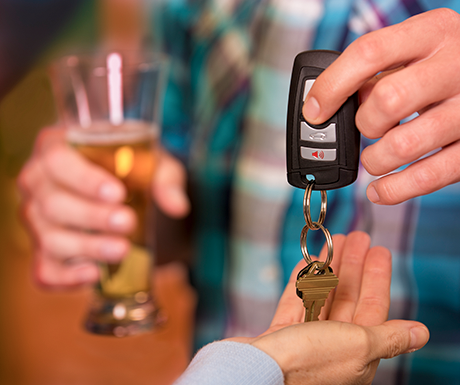
The easiest way to shut down a DUI is to stop it before it starts. And it goes down smoother when we all work at it together. DUI-proof your next night out by sharing this list of tips and making a safety pact with your friends. Together, you can keep the fun going – and keep your record clean.

Make a Plan Before you Leave

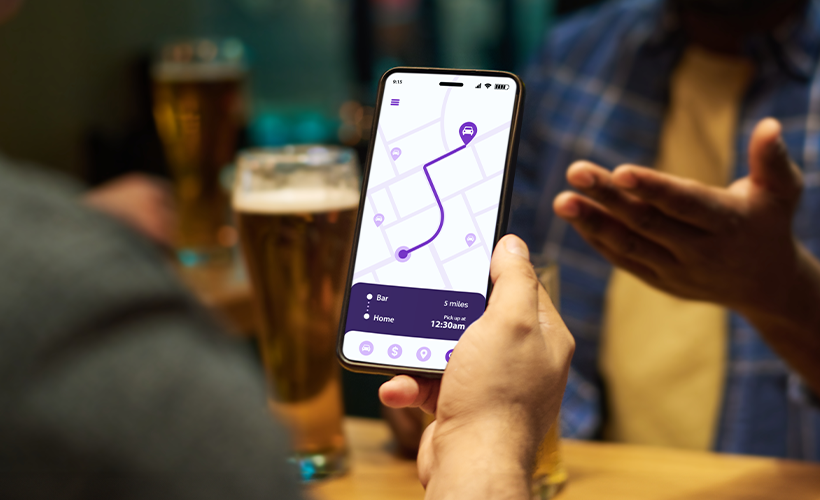
Our first tip is the most important: don’t wait until you’re drinking to think about how you’ll get home. Instead, come up with a plan before you go out. Not only will it hold you accountable – it will help ensure that you don’t burden “future you” with an important decision like whether or not to drive when your judgment is impaired.  Talk with your friends about how you’ll get home, who’s playing DD and how long you’ll stay out. Then decide on a course of action and stick to it.

Keep Your Car at Home

You can’t get a DUI if you’re not driving. If you plan on drinking at all – even if it’s just one or two beers – leave your car at home so a sober ride is your only option. The cost of a taxi or Lyft is way easier to stomach than the expense of a DUI.

Know Your Options

Even small towns in South Dakota have safe ride options. Keep a list of alternatives saved in your phone, including rideshare apps like Uber and Lyft, numbers for local cab companies, public transit schedules, or safe ride programs like Rabbit Ride in Brookings and USD Safe Rides in Vermillion.

Pro tip: set an alarm in your phone reminding you to call or book a ride 20 minutes before it’s time to go.

Rotate a Designated Driver

Take turns stepping up to be the sober driver in your group. And when it’s your turn to be the DD, commit to not drinking any alcohol. With mocktails and other non-alcoholic options like hop water, you can still have a good time without drinking. Plus, you get the benefit of actually remembering all the funny stories the next day.

Create a Code Word When It’s Time to Go

Designated a code word your group can use when it’s time to leave or when a friend has had too much to drink and needs a quick exit. Having a code word helps take embarrassment or conflict out of the conversation and signals to everyone that you’re putting safety first.

Never Leave a Friend Alone

When a friend’s been drinking and they’re left alone, they may be more likely to make a dangerous decision – like driving home. Buddy up, and stick around until the last friend finds a safe ride.

Rider Stories: How Safety Courses and Gear Saved My Life

Rider Stories: How Safety Courses and Gear Saved My Life

August 19, 2019
Motorcyclist

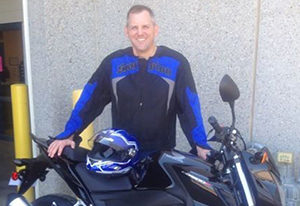
Every rider has a story. And every story is different. But the tales from the riders below all have a couple things in common. They prove that when you’re riding, there’s always risk, and the best thing you can do is prepare for that risk. With proper motorcycle training and DOT-approved gear, you can live to tell your rider story, too.

Read the stories below to learn from real riders how proper safety training and gear saved their lives.

Ken

One night west of Spearfish, Ken was riding his motorcycle home from work when a car abruptly changed lanes in front of him. Without using a turn signal, it was apparent the car didn’t see Ken on his bike. And though he saw the car, he didn’t have enough time to avoid a collision. Ken hit the car, causing him to fly over it, hit the pavement and roll off the highway. Luckily, he was wearing a helmet and survived to
share his story.

“THE TROOPER ON THE SCENE WAS AMAZED I WASN’T KILLED. HE SAID MY FULL-FACE HELMET SAVED MY LIFE. TO THIS DAY I NEVER RIDE WITHOUT ONE.”

PHILIP

Philip acknowledges that motorcycle training classes and proper gear have saved his life – on more than one occasion. With the skills he learned in training, he was able to brake and swerve in emergency situations. He once dodged a turning car that didn’t see him or his bike, and another time avoided a collision with
a herd of deer.

“TRAINING SAVED MY LIFE, SO I SAY TRAINING IS A GOOD SKIN SAVER, AS WELL AS GEAR”

BRYAN

Once he completed several motorcycle training courses, Bryan got his first bike. Shortly after, an early morning ride to work went wrong. An SUV passed him and swerved into his lane, causing Bryan to panic, hit the brakes and swerve off the road. In hindsight, Bryan knows his crash could have been avoided if he listened to his training. But as an inexperienced rider, instincts kicked in before he could think through the situation. This goes to show: it doesn’t matter if you’re an inexperienced or pro rider, no amount of training can guarantee a crash-free ride.

But the knowledge you gain can help prepare you. And luckily, where Bryan was lacking in experience, he made up for by wearing full gear.

” THE GEAR DEFINITELY SAVED MY BACON. I ALWAYS WEAR A FULL-FACE HELMET, RIDING JACKET, PANTS AND BOOTS – EVEN WHEN IT’S 100 DEGREES! THE GEAR WORKS, AND I WISH MORE PEOPLE
WOULD WEAR IT.”